

- Shale exploration has led to a new and bountiful supply that can be produced far more efficiently than traditional methods of extraction
- Similar extraction methods have made it easier to extract natural gas. This gas can then be converted into a liquified natural gas (LNG) to make its transportation easier. In the US, the fracking boom has led to increased production so that LNG can be exported around the world.
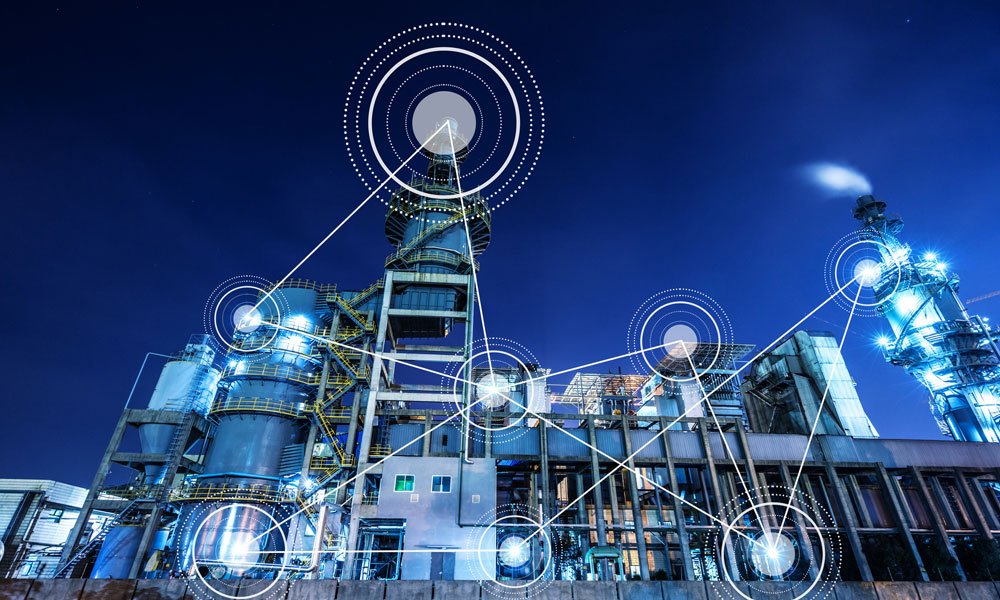
- Advances in oil and gas technology, including increasing digitization, have increased efficiency, productivity, and safety.
Oil and Gas Technology: Robotics and Automation
The industry’s advances in oil and gas technology is a direct result of the hard times that came with falling oil prices. Times being tougher meant firms had to look at ways to increase their operational efficiency. Companies can use robots and automation to cut down on the waste that comes with downtime on a rig. Downtime is an inevitable reality robotics and other oil and gas technology can ease this problem considerably. There was also a realization that many of the most dangerous jobs in the industry could be filled by robots so workers were not put at risk of injury. Some of the ways robotics and automation are used in oil and gas include:- are being used offshore to inspect and make minor subsea repairs
- Drones are being used to inspect pipelines
- Automation is being used in midstream infrastructure and rigs
- is a robot that automates the repetitive and dangerous task of connecting drill pipes.
- Remotely operated aerial drones can survey the area
- Whole unmanned platforms that use only robotics and automation

Going Lean
The concept of ‘lean’ in industrial processes comes out of manufacturing, in particular, Japanese car manufacturing in the late 20th century i.e the . It’s a management philosophy that aims to radically reduce waste as a means of increasing productivity. Its success is recognized as having helped Toyota rise from being a relatively small auto manufacturer to become the largest car company in the world. As a result of its success, lean has been copied by many industries as a way of increasing efficiency, including in all kinds of manufacturing, construction, mining, and oil and gas. In oil and gas, you can add a lot of efficiency coming from manufacturing equipment through the use of lean techniques. Another major efficiency gain is streamlining workflow to minimize wasted time and man-hours. Oil and gas are extremely cyclical so you want to fit your workflow around these cycles of production. A big part of this is managing your workforce so no one is wasting their time standing around. Employing a lean methodology with your contractor management system can make your workforce incredibly efficient and achieve the that is so desirable.Oil and Gas Technology: Sensors and Data Analytics
The oil and gas industry was ahead of the game when it came to installing sensors in its operations. Some companies have collected literally decades of data and in the 21st-century data is currency. The issue you may face is leveraging this data to get value out of it. Investing in systems to analyze this data can help you identify ways to improve operational performance so that rigs are running at capacity. Data can also help you improve safety by identifying high-risk areas of your operations where you might want to use robots or automation. According to a , “Applied properly, advanced analytics can yield returns as high as 30-50 times investment within a few months of implementation.�Artificial Intelligence
Artificial Intelligence might be the next big leap in oil and gas technology for companies in the industry. Artificial Intelligence allows you to discover trends and make decisions that would not be possible using traditional methods, even using advanced data analytics. This may sound like science fiction but it’s already a reality. Some project that quite soon, oil and gas companies than geologists. According to Jason Bordoroff, founding director of the Center on Global Energy Policy at Columbia University, :- Troubleshoot underperforming wells
- Enhance reservoir modeling
- Carry out preventive maintenance before problems arise
- Optimize well design, drilling, and completion
- Carry out unmanned, automated drilling platforms and well pads.

