Benefits of Green Construction:
- Economic: The initial costs of green construction can be higher than conventional construction. Any extra cost is usually in the design and construction phase. Yet, some studies show there is . Either way, it is worth investing a fraction more in the early stages because you gain once the building is up and running. Studies have shown that houses built using green techniques achieve higher rents and property prices.
- Social: The economic benefits of green construction are broader than individual projects. Governments offer various tax breaks and incentives to reduce consumption of energy and fossil fuels. More countries are including sustainability as policy. The Irish government recently released Project Ireland 2040, an infrastructure plan for the next 25 years. The plan included a €500 million climate action fund for green initiatives. Green construction was an important part of the plan with strategic points including:
- Investment in energy efficiency, with 45,000 upgrades to homes
- Investment in the energy efficiency of existing commercial and public building stock
- Supports for changing out oil-fired boilers to heat pumps, along with the provision of roof solar
- The full roll-out of the new Support Scheme for Renewable Heat
- Environmental: Construction has a significant impact on the environment. This means that any improvement in construction can have an impact far beyond the sector. At the »Ê¼Ò»ªÈË breakfast briefing, Don Ward of Construction Excellence pointed out that young workers are motivated by societal and environmental factors. The construction industry is the perfect fit for these environmentally conscious workers because their jobs can have an impact. Companies should be making this pitch given the current skills shortage.

Tools used in green construction:
- Biodegradable Materials: There seems to be a new space age material invented every week destined to revolutionize the way we build. One key factor should be considered more often: a material’s biodegradability. Easily biodegradable materials such as sustainably sourced timber, bamboo, mycelium (a kind of fungus), and even classic linoleum don’t have to end up in a landfill. In the UK, that comes from demolishing buildings is biodegradable. This means that tens of millions of building waste is ending up in landfills. This is an environmental disaster, as well as very inefficient.
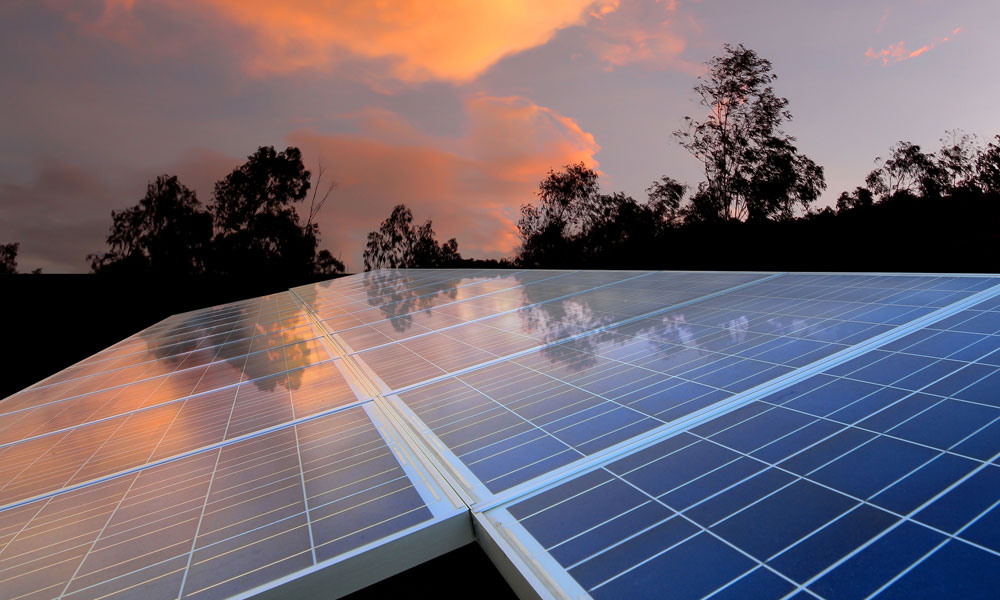
- Solar Energy: Solar power is a clean energy source and is becoming cheaper and more efficient every year. The source of power is abundant because the only fuel you need is the sun in the sky. You can light your house and even use it to heat your water. Solar panels provide a clean and independent source of power that is free to use once it’s installed.
- Passive House: This one of the most advanced forms of green construction. The concept originates from Germany (Passivhaus) and uses the design of a building to control the temperature. Every aspect of a building either uses solar power to heat a house in the winter or to reject the heat in the summer. It does not use mechanical or electrical devices but relies on the building design. The benefits are incredible and show the importance of the design phase. Passive houses can have cooling-related energy savings of .
- Technology Efficiency: Actually constructing a building requires a lot of energy. This is usually in the form of fossil fuels and so releases CO2 and other emissions. If you make this process more efficient you can complete more buildings in less time. This significantly reduces the environmental impact per building. Another inefficiency comes from construction’s reliance on a large temporary workforce and the inefficient way this workforce is managed. If you use a contractor management system you can ensure that workers receive the proper training and that they arrive ready to work on day one. No more waiting around means projects take less time to complete.
- Prefabrication/Modular Construction: You could include this in the category of technological efficiency but it deserves a category of its own. The potential is so great. Prefabrication allows you to build ‘off-site’ in a controlled environment. This means you require fewer workers and there is less waste, both financially and environmentally. The other major benefit is that workers are much safer in prefabrication and modular construction because conditions are controlled. Hazards can be better identified and the correct steps are taken to prevent worker injury.